
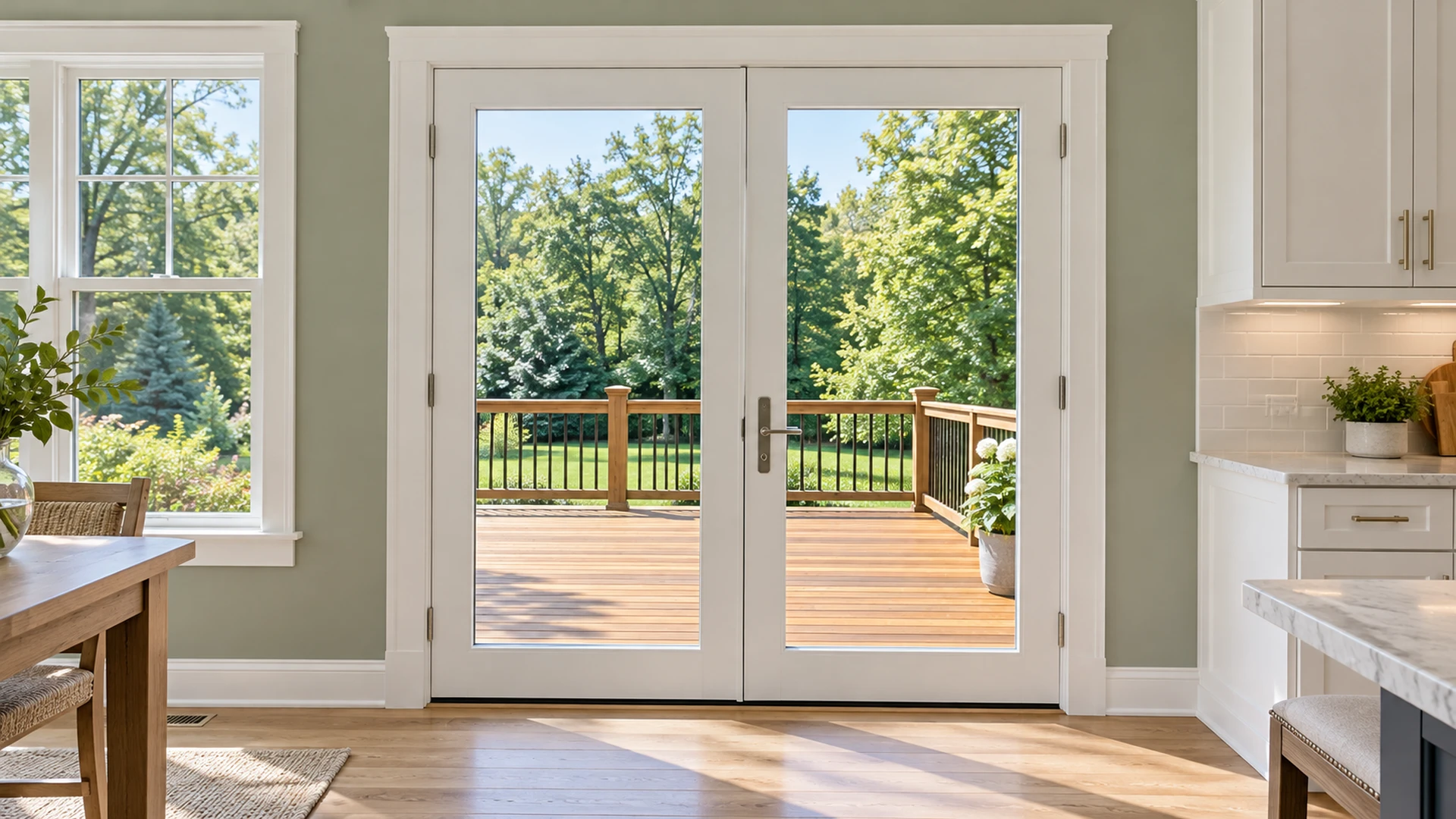
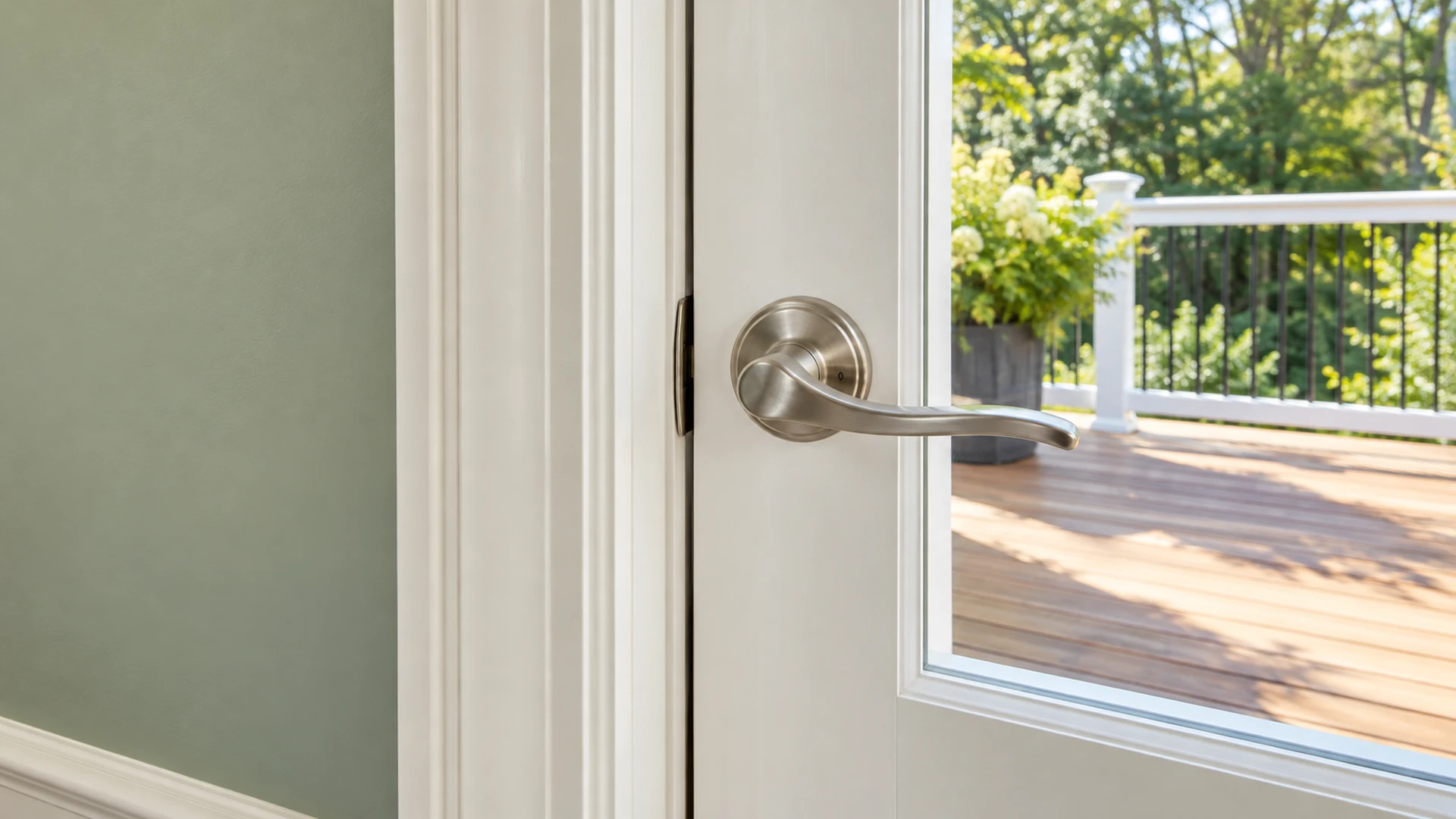
The painted trim beside a patio-door handle gets touched without anyone thinking about it. A hand steadies a grocery bag, someone pushes the door shut with a palm, and eventually one small area looks dull or worn. In a Shrewsbury kitchen, daylight through the glass can make that patch stand out against otherwise tidy trim.
Before planning a paint repair, look at exactly where the wear sits. Paint on the door, the fixed casing around it, and the adjoining wall may need different preparation. A clear description helps you avoid having one little patch repainted while the reason it keeps wearing is left in place.
See what is touching the damaged spot
Open and close the door normally, without forcing it. Note whether the door rubs the frame, the handle is loose, or an object regularly knocks against the casing. Photograph the worn area in daylight and take a wider picture showing the full doorway. Both views help explain the problem during a consultation.
If the trim is damp, swollen, or stained after rain, have the cause assessed before covering it. Paint cannot correct an active leak or a door that binds. Avoid sanding or scraping an unknown older coating yourself. The existing material and coating need to be identified so the appropriate preparation can be agreed.
Define the surface that needs repainting
It is tempting to describe the work as “just beside the handle.” Point out the full piece of trim as well. A repair that ends halfway across a visible face can show where the new coating meets the old, even if the color is close. Ask the painter where the finish should stop for a consistent result.
For painting work in Shrewsbury, specify whether the request includes the door face, casing, baseboard returns, or adjacent wall. The glass and hardware should be identified as areas to protect. If only the interior side is included, make that explicit; exterior exposure creates a different preparation and product discussion.
Find out why the paint is wearing before covering the spot.
Bring the existing paint information
If you have a label or leftover paint, bring the product name, color, and sheen to the consultation. The same color name on a different product does not settle how the repaired area will look. Older paint can also change in appearance through wear and cleaning, so a match needs to be judged against the actual doorway.
Ask how the surface will be cleaned and prepared, and what the proposed coating requires before the next coat. Those steps belong in the interior painting scope. You can also discuss whether a test area is useful. Check any sample in the daylight that normally falls across the door, since that is when a sheen difference is easiest to notice.
Plan the door’s use while the finish cures
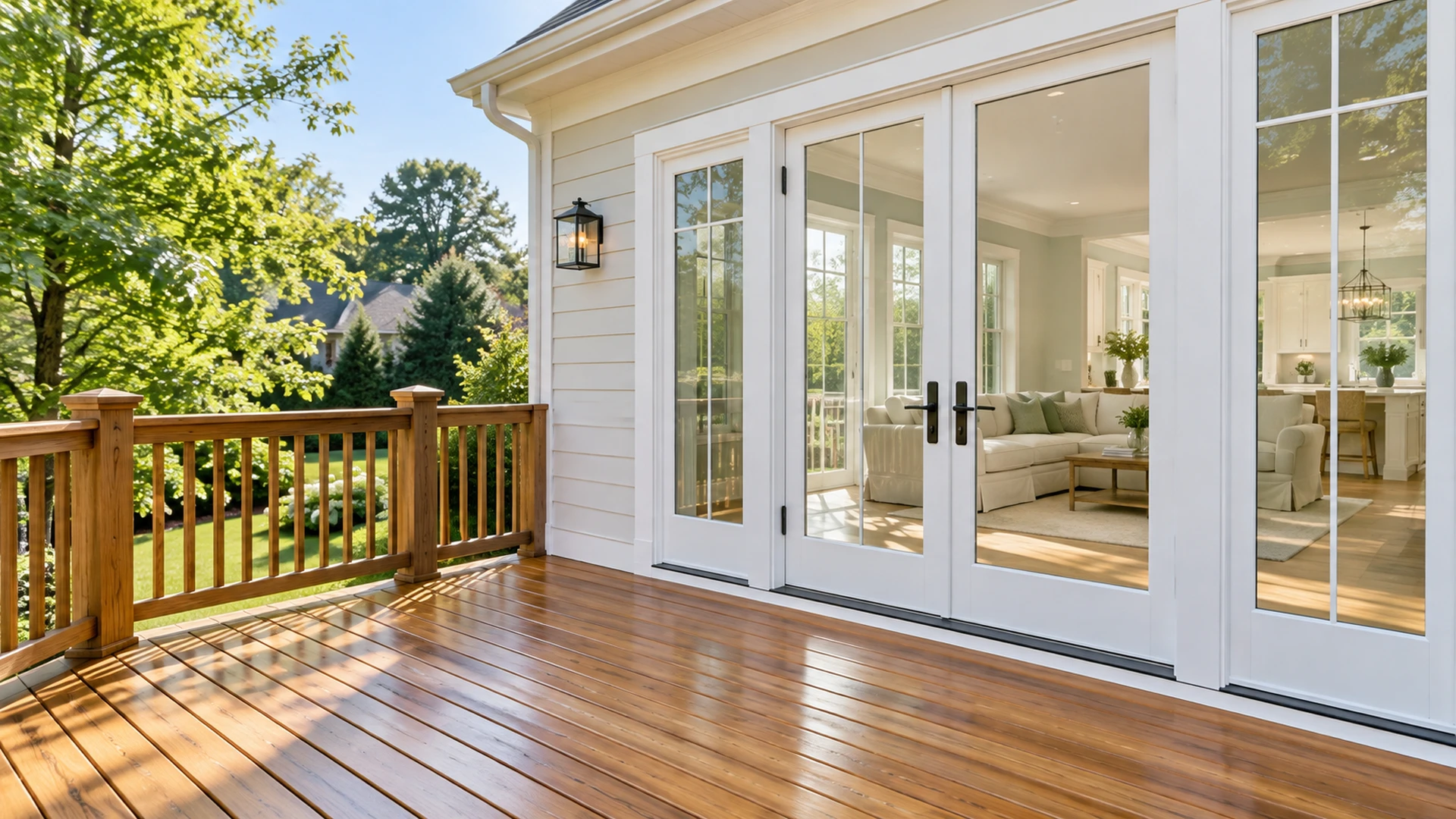
The patio door may be the route used for the dog, the deck, or taking recycling outside. Choose an alternate route before the work starts if one is available. Ask when the door can be operated and when the painted areas can handle normal touching or cleaning. Drying and curing times depend on the chosen product and conditions.
Keep furniture and stored items clear of the work area, with moving responsibilities agreed in advance. Discuss protection for the inside floor and the deck at the threshold. A freshly stained deck needs its own care instructions; the paint work should not mean dragging tools or protective materials across a finish that is still curing.
Make the consultation about this doorway
Use Wences Pro Painting’s consultation page to explain the worn area and send the doorway details through the agreed contact process. Include whether the door rubs, any moisture you have noticed, and how often the entrance is used. Ask for the preparation, coating area, and return-to-use guidance to be included in the proposed work.
When the finish is ready for normal use, follow the painter’s product-specific cleaning guidance. Keep the paint information with your household records and note which side of the door was finished. If wear returns in the same narrow spot, that record and a new photograph give you a useful starting point for checking the cause.