
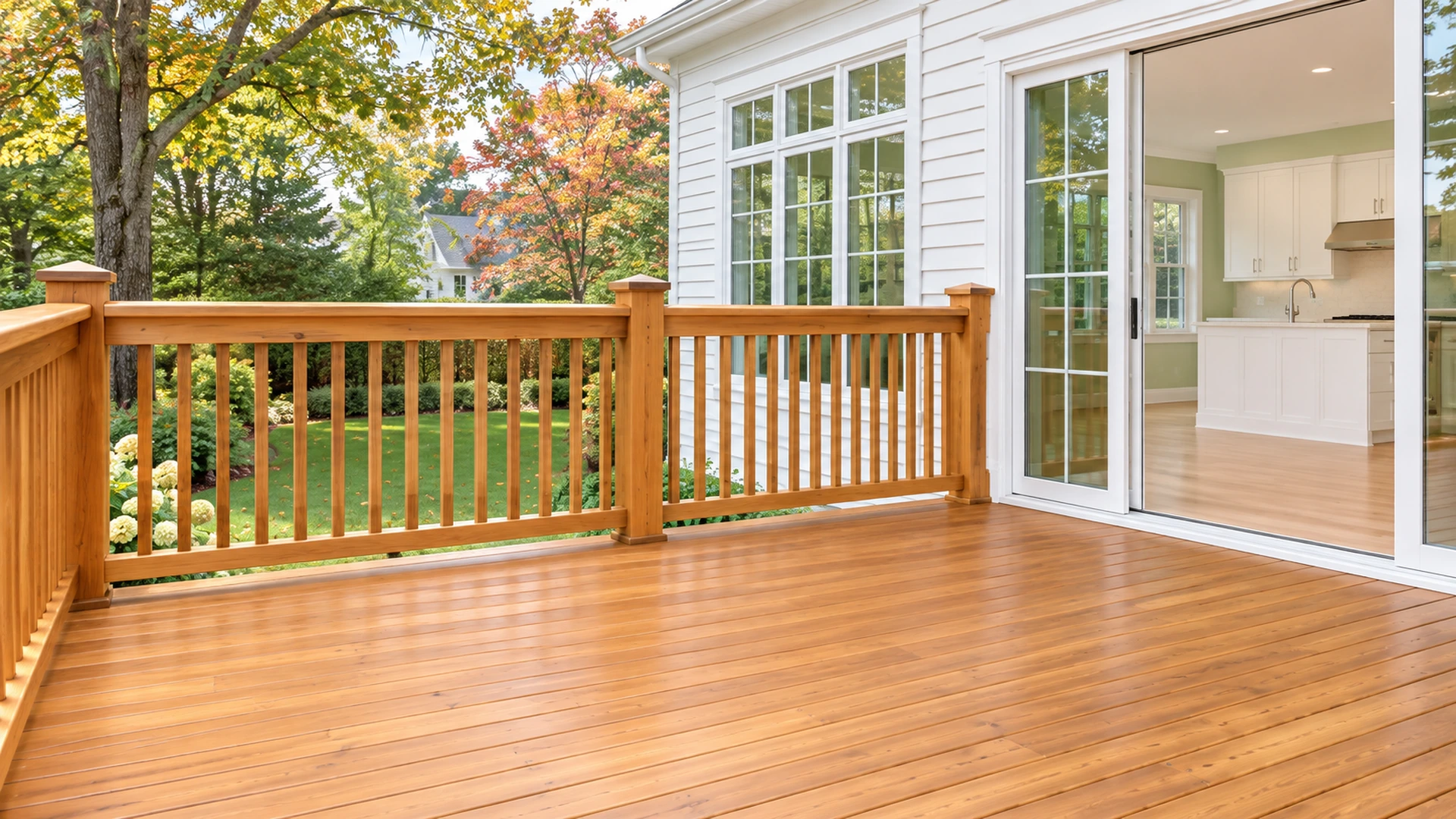
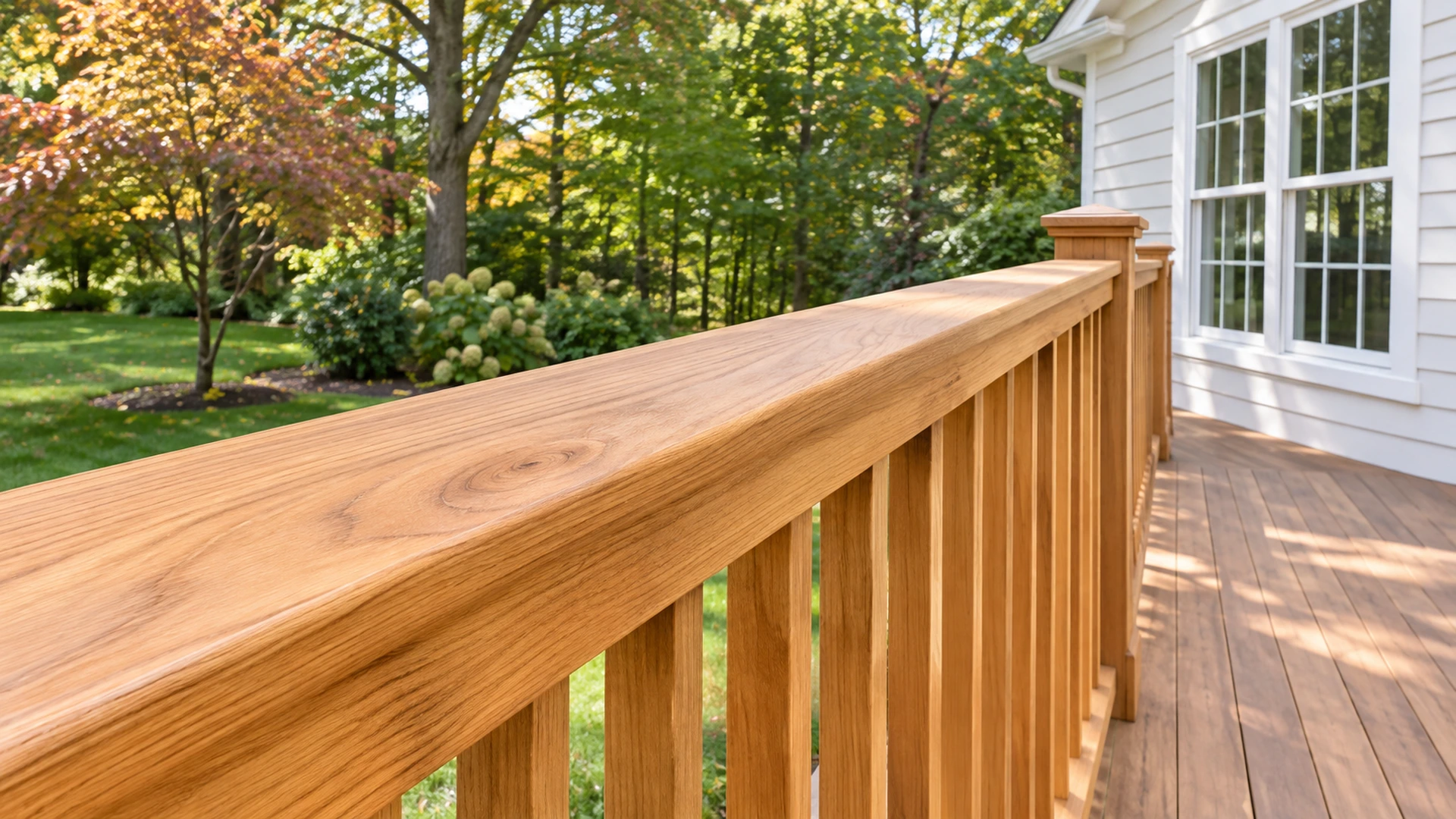
A deck can look ready for another season while its handrail tells a different story. The top feels rough, small fibers stand up along the grain, or an old finish has left ridges where your hand naturally rests. On a Fair Haven deck, that is a reason to look closely at preparation before choosing a new stain color.
Do not test a rough rail by sliding a bare hand along it. Look in good light for raised grain, splinters, peeling finish, and loose parts. A smooth-looking result in a photograph is not enough for a surface people grip. The plan needs to address the condition of the wood as well as the appearance of the coating.
Separate a surface problem from a repair
A rail with loose connections, soft areas, or damaged boards needs assessment before refinishing. Stain does not tighten a post or replace sound wood. Keep people away from a rail that may be unsafe, and explain the concern when requesting a visit. Avoid leaning on it to find out how much movement it has.
For a first discussion with a painting contractor in Fair Haven, share wide photos showing the rail and close views of the rough areas. Explain when you noticed the change and whether previous products or preparation methods are known. Useful observations help more than a guess that the whole deck simply needs another coat.
Identify what is already on the wood
An old stain, a film-forming coating, and bare weathered wood can call for different preparation. Check any leftover containers or written records without assuming a similar-looking product will be compatible. If the history is unknown, say so. The contractor can assess the existing finish and discuss a test area.
Talk through the desired appearance too. A transparent or semi-transparent finish will show variation in the wood. A more opaque product changes that appearance, but it still needs a suitable surface. Agree on the intended result using the actual rail and proposed product, rather than expecting a tiny color sample to explain every board.
A handrail needs to feel right as well as look even.
Ask how roughness will be addressed
The preparation discussion should cover cleaning, any required removal of failing finish, and the treatment of raised fibers or rough edges. Sanding may be part of the plan where appropriate for the wood and coating system. The method and sequence should follow the selected products' instructions and the rail's condition.
Aggressive washing is not a shortcut to a smooth handrail. Ask how the wood will be protected during cleaning and how the contractor will decide it is ready for the next stage. Dust and residue from preparation also need to be removed as directed. Applying stain over an unprepared surface does not resolve the roughness beneath it.
Give the finish the conditions it needs
November planning should include the actual weather window. Product instructions govern suitable temperatures, surface moisture, rain exposure, and drying or curing conditions. The forecast and the wood both matter. A bright afternoon does not by itself mean a rail is ready to coat or that the evening conditions will be suitable.
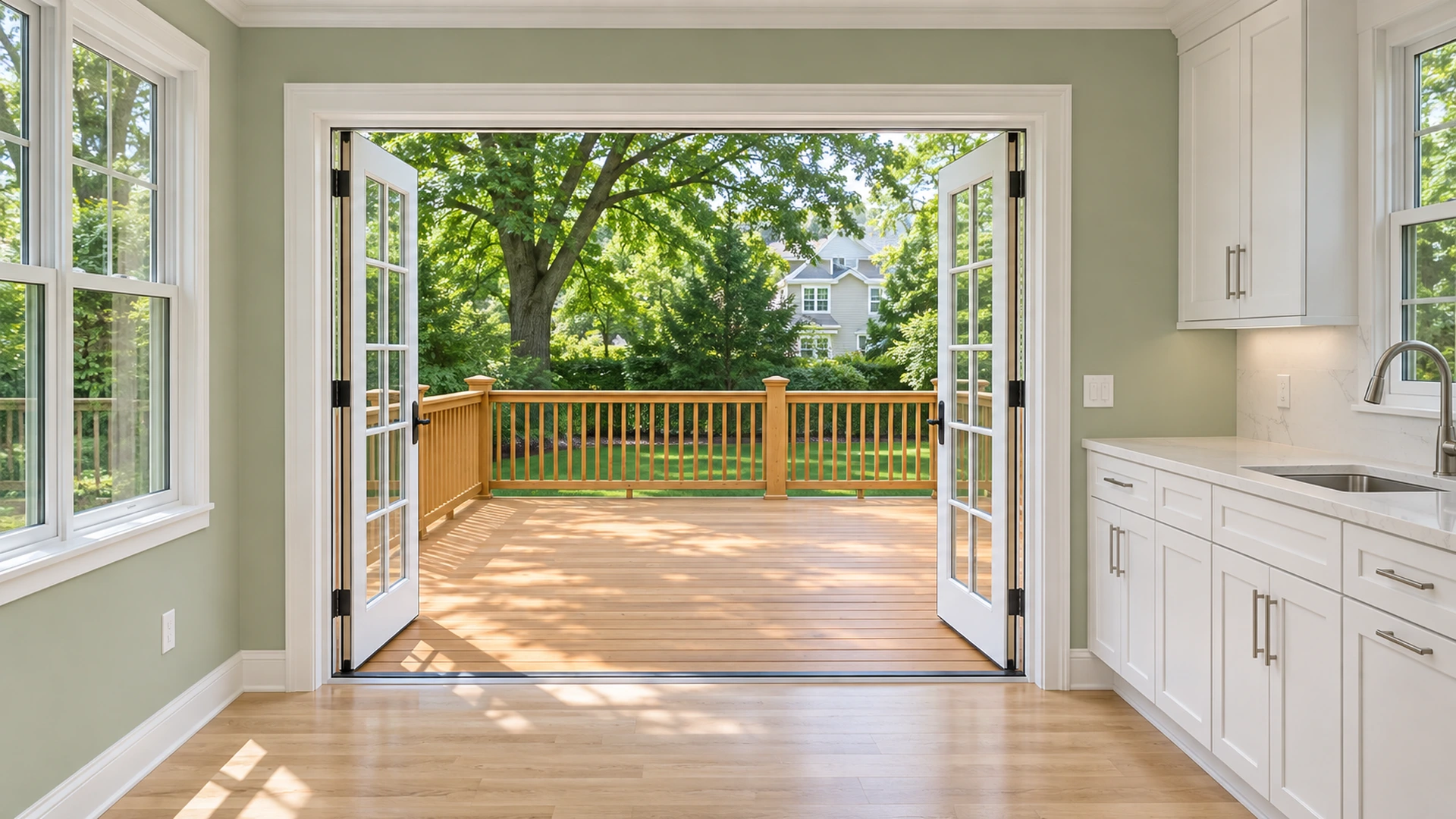
Ask when the deck and handrail can be used again, and agree on a safe alternate route if this is your everyday back door. Keep furniture, covers, and decorations away from the work until the contractor says they can return. If conditions are unsuitable, preparation and staining dates may need to be separated or rescheduled.
Write the handrail into the scope
Review Wences Pro Painting's deck staining in Fair Haven and ask for the handrail to be identified separately in the proposed work. Include the top rail, posts, balusters, steps, and deck boards only where intended. Clarify repairs, preparation, finish choice, and return-to-use instructions so the estimate describes the surfaces you expect to see finished.
Start with a consultation request and the simple concern: the handrail has become rough. A careful assessment can establish whether the work is a surface refresh, a repair followed by refinishing, or a project that needs a better weather window. That gives you a useful decision before anyone opens a stain can.
Images are AI-generated illustrations of home settings, not customer jobs. The silent video uses camera motion over an illustrative photograph.